
Style
Peptides For Energy
Dec
What Are Peptides for Energy?
Peptides are small chains of amino acids that help the body perform many important functions. Some peptides are linked to energy, recovery, and overall performance. People are becoming more interested in peptides for energy because they may support how the body produces and uses energy naturally.
Instead of giving you a “quick fix” like caffeine, peptides work by supporting internal processes in the body.
How Peptides May Help with Energy
Peptides do not give “instant energy” like caffeine. Instead, they may support the body systems that produce and manage energy.
1. Supporting Mitochondria Function
Mitochondria are often called the “powerhouses” of cells because they produce energy. Some peptides are being studied for their potential role in helping cells work more efficiently, which may support natural energy production.
2. Improving Recovery and Reducing Fatigue
When your body recovers better from stress, exercise, or illness, you often feel more energetic. Certain peptides may support muscle repair and recovery, which can help reduce tiredness over time.
3. Supporting Hormonal Balance
Energy levels are strongly connected to hormones like growth hormone and insulin. Some peptides may influence how these hormones are released or regulated, which can indirectly affect energy, stamina, and mood.
4. Enhancing Metabolism
A healthy metabolism helps the body convert food into usable energy. Some peptides are being researched for their role in supporting metabolic processes, which may help improve overall energy efficiency.
5. Supporting Sleep Quality
Good sleep is one of the most important factors for energy. Some peptides may help regulate sleep cycles, which can lead to better rest and improved daytime energy.
Common Types of Peptides People Look For Energy Support
Many people today look for ways to improve energy, reduce tiredness, and support better performance in daily life. One topic that is getting attention is peptides.
Peptides are small chains of amino acids that act like messengers in the body. They help control many functions such as recovery, metabolism, and hormone balance. Because of this, some peptides are being studied for their possible role in supporting energy and reducing fatigue.
Below are some of the most commonly talked-about peptides related to energy support.
1. CJC-1295 (Growth Hormone Releasing Peptide)
y=f(x)
CJC-1295 is often discussed in the wellness and fitness community because it may help stimulate the release of growth hormone in the body.
Why people are interested in it:
- May support better recovery after exercise
- May help improve sleep quality
- May support natural energy levels through hormone balance
Better recovery and sleep can indirectly help people feel more energetic during the day.
2. Ipamorelin
Ipamorelin is another peptide that is often grouped with growth hormone-related compounds.
Why people look for it:
- May support muscle recovery
- May help the body repair itself more efficiently
- May contribute to improved vitality over time
People are interested in Ipamorelin because recovery and energy are closely connected.
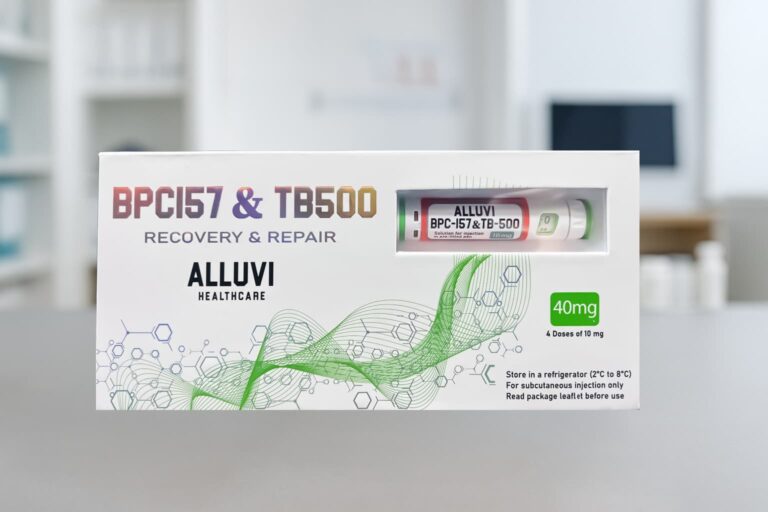
3. BPC-157 (Body Protection Compound)
BPC-157 is widely discussed for its potential role in healing and recovery.
Why it is popular:
- May support tissue repair
- May help with recovery from physical stress
- May reduce feelings of fatigue linked to overtraining
When the body recovers better, energy levels often feel more stable.
4. TB-500 (Thymosin Beta-4 Fragment)
TB-500 is another peptide often mentioned in sports and recovery discussions.
Why people search for it:
- May support muscle and tissue recovery
- May improve flexibility and mobility
- May help reduce recovery time after physical activity
Faster recovery can help people feel less tired and more active.
5. MOTS-c (Metabolic Peptide)
MOTS-c is a peptide that has gained interest in research for its possible role in metabolism.
Why it is linked to energy:
- May support how the body uses energy
- May help improve metabolic efficiency
- May be linked to endurance and stamina in early studies
Because energy production is closely tied to metabolism, this peptide is often discussed in energy-related topics.
6. AOD-9604 (Fat Metabolism Peptide)
AOD-9604 is sometimes explored for its possible role in fat metabolism.
Why it matters for energy:
- May support fat breakdown
- May influence how the body uses stored energy
- May help support weight management efforts
When the body uses energy more efficiently, people may feel less sluggish.
Benefits People Associate with Peptides for Energy
Many people today feel tired due to stress, poor sleep, busy lifestyles, or intense physical activity. Because of this, interest in peptides has grown in the wellness and fitness world.
Peptides are small chains of amino acids that naturally exist in the body. They act as messengers that help regulate different biological functions. While research is still developing, many people associate peptides with improved energy, recovery, and overall vitality.
This article explains the most common benefits people believe peptides may offer for energy support.
1. Improved Energy Levels Over Time
One of the main reasons people explore peptides is their possible connection to better energy.
Instead of acting like stimulants, peptides are believed to support the body’s natural systems that produce and manage energy. This means any improvement is usually gradual rather than instant.
People often report:
- Feeling less tired during the day
- More stable energy levels
- Reduced “afternoon crashes”
2. Better Recovery After Physical Activity
Recovery plays a major role in how energetic you feel. When the body is constantly tired or sore, energy levels drop.
Many peptides are associated with supporting recovery processes in the body.
Commonly mentioned benefits:
- Faster muscle recovery after exercise
- Reduced feelings of physical fatigue
- Improved ability to stay active regularly
When recovery improves, energy often feels more balanced.
3. Support for Better Sleep Quality
Good sleep is one of the strongest factors affecting energy levels.
Some peptides are thought to influence sleep patterns indirectly by supporting hormone balance and relaxation processes.
People associate peptides with:
- Deeper sleep
- Better sleep cycles
- Waking up feeling more refreshed
Better sleep often leads to higher daytime energy.
4. Metabolism Support
Energy in the body comes from how food is processed and converted into fuel. This process is known as metabolism.
Some peptides are being studied for their possible role in metabolic function.
Benefits people associate include:
- More efficient energy use in the body
- Better balance in energy production
- Support for overall physical performance
A well-functioning metabolism is closely linked to steady energy levels.
5. Reduced Feeling of Fatigue
Fatigue can come from many causes such as stress, overwork, or physical strain.
Some peptides are associated with helping the body handle stress and physical demands better.
People often mention:
- Less overall tiredness
- Improved endurance in daily tasks
- Better resilience during busy periods
While not a quick fix, peptides are often linked to long-term fatigue management in wellness discussions.
6. Hormonal Balance Support
Hormones play a major role in energy, mood, and motivation.
Some peptides are believed to influence hormone-related pathways in the body.
Possible associated effects:
- More stable mood
- Better motivation and focus
- Improved sense of well-being
Balanced hormones often contribute to more consistent energy levels.
7. Enhanced Physical Performance
In fitness and sports communities, peptides are sometimes discussed in relation to performance support.
This is often connected to recovery, stamina, and endurance.
People associate peptides with:
Improved physical consistency
Better workout recovery
Increased stamina over time
Who Uses Peptides for Energy?
Many people today deal with low energy due to busy lifestyles, stress, lack of sleep, or intense physical activity. Because of this, peptides have become a popular topic in wellness and fitness communities.
Peptides are small chains of amino acids that help the body communicate and regulate important functions like recovery, metabolism, and hormone balance. While research is still ongoing, different groups of people are interested in peptides for possible energy support.
This article explains who commonly uses peptides for energy and why.
1. Athletes and Fitness Enthusiasts
One of the most common groups interested in peptides is athletes and people who train regularly.
They often push their bodies hard, which can lead to fatigue and slow recovery. Because of this, they look for ways to support performance and recovery.
Why they use peptides:
- To support muscle recovery after workouts
- To help reduce fatigue from intense training
- To improve endurance and stamina over time
- To support consistent training performance
For athletes, recovery is closely linked to energy levels, which is why peptides are often discussed in this group.
2. Busy Professionals
People with demanding jobs often experience low energy due to stress, long hours, and poor sleep.
This group is interested in peptides as part of a wider wellness routine.
Why professionals explore peptides:
- To reduce daily tiredness
- To support focus and mental clarity
- To improve sleep quality
- To maintain steady energy during long workdays
Busy professionals often look for long-term energy support rather than quick fixes.
3. Older Adults
As people age, energy levels naturally decrease. Recovery becomes slower, and fatigue can increase.
Because of this, some older adults become interested in peptides for general wellness support.
Common goals include:
- Supporting healthy aging
- Improving recovery after physical activity
- Maintaining mobility and strength
- Supporting overall vitality
For this group, the focus is usually on feeling more active and independent.
4. Fitness Beginners and Lifestyle Users
Not only advanced athletes use peptides. Some beginners in fitness or wellness also explore them.
They are often trying to improve their energy as they start a healthier lifestyle.
Reasons they are interested:
- To support motivation for exercise
- To reduce tiredness when starting workouts
- To improve recovery as they build fitness habits
- To feel more energetic during daily activities
5. People Experiencing Chronic Fatigue or Low Energy
Some individuals struggle with long-term tiredness due to lifestyle, stress, or other factors.
They may look into peptides as part of broader wellness research.
Their goals often include:
- Reducing constant fatigue
- Improving sleep quality
- Supporting overall body balance
- Increasing daily energy levels
It is important to note that fatigue can have many causes and should be addressed holistically.
6. Biohackers and Wellness Enthusiasts
Biohackers are people who experiment with lifestyle, nutrition, and supplements to improve performance and well-being.
They are often early adopters of wellness trends, including peptides.
Why they use peptides:
- To optimize energy and performance
- To experiment with recovery and metabolism support
- To improve focus and productivity
- To explore new wellness science
This group is usually very interested in research and emerging health trends.
How to Choose Peptides for Energy
Peptides are becoming a popular topic in wellness, fitness, and biohacking communities. Many people are interested in them for possible support with energy, recovery, and overall performance.
However, choosing peptides is not something to do randomly. There are different types, different quality levels, and ongoing research about their effects.
This guide explains in simple language how people usually choose peptides when they are interested in energy support.
1. Understand What You Are Trying to Achieve
Before choosing any peptide, it is important to understand your goal.
For energy support, people usually look for peptides that may help with:
- Recovery after exercise or stress
- Improving sleep quality
- Supporting metabolism and energy use
- Reducing fatigue over time
Different peptides may be associated with different functions, so your goal matters.
2. Look for Research-Backed Information
Not all peptides are equally studied. Some have more scientific attention than others.
When choosing peptides, people often look for:
- Published research or early studies
- Information from reliable scientific sources
- Clear explanations of how the peptide works in the body
It is important to remember that many peptides are still under research, and results in humans may be limited.
3. Focus on Quality and Purity
Quality is one of the most important factors people consider.
In general, high-quality peptides are associated with:
- Purity testing
- Clear manufacturing standards
- Proper labeling and documentation
- Third-party testing (in some cases)
Low-quality or unverified products may not be reliable and can lead to inconsistent results.
4. Understand the Type of Peptide
Different peptides are often discussed for different purposes. When it comes to energy support, people usually explore peptides linked to:
Recovery support
Some peptides are associated with helping the body recover after physical stress, which can indirectly support energy levels.
Metabolic support
Some peptides are studied for their possible role in how the body uses and produces energy.
Hormonal balance
Certain peptides are discussed in relation to hormone-related pathways, which can influence energy, sleep, and mood.
Understanding the category helps narrow down your options.
5. Check Safety Information
Safety should always come first.
Before considering any peptide, people should look for:
- Known side effects or risks
- Human research data (if available)
- Possible interactions with health conditions
- Professional medical guidance
Because peptides are still being studied, safety information may vary depending on the compound.
6. Consider Legal and Regulatory Status
Not all peptides are approved for general use in every country.
Before choosing, it is important to check:
- Local regulations
- Medical approval status
- Whether the peptide is allowed for personal use or research only
This helps avoid legal or safety issues.
7. Avoid Unrealistic Expectations
One common mistake is expecting instant energy results.
Peptides are often discussed as supporting the body over time, not acting like stimulants.
Important expectations:
- No instant “energy boost” like caffeine
- Effects, if any, are usually gradual
- Results vary from person to person
- Lifestyle still plays the biggest role
8. Always Prioritize Healthy Lifestyle Habits
Even if someone is exploring peptides, the foundation of energy remains the same:
- Good sleep (7–9 hours)
- Balanced nutrition
- Regular physical activity
- Stress management
- Proper hydration
Without these, no peptide or supplement can fully support energy levels.
9. Speak to a Qualified Professional
Because peptides affect biological systems, many people choose to consult a healthcare or wellness professional before using them.
This can help with:
Matching choices with personal health conditions
Understanding risks
Choosing safer options
Avoiding incorrect use
Frequently Asked Questions (FAQ) – Peptides For Energy
1. What are peptides for energy?
Peptides for energy are short chains of amino acids that may help support the body’s natural energy production. Some people use them to help improve stamina, recovery, and overall performance.
2. How do peptides increase energy?
Peptides may work by sending signals to the body to support:
- Better muscle recovery
- Improved hormone balance
- Increased cellular activity
- Reduced fatigue
This can help the body feel more active and less tired.
3. Are peptides a form of energy supplement?
Yes, some peptides are used as part of wellness or fitness routines. However, they are not the same as traditional energy drinks or vitamins. They work in a more biological way inside the body.
4. Who can use peptides for energy?
Peptides are often explored by:
- Athletes and gym users
- People with active lifestyles
- Individuals dealing with low energy
- Those focused on recovery and performance
Always check with a professional before use.
5. How long does it take to feel results?
Results can vary from person to person. Some people may notice changes in a few weeks, while others may take longer depending on lifestyle, diet, and the type of peptide used.
6. Are peptides safe for energy use?
Peptides are still being studied, and safety depends on the type, quality, and usage. It is important to:
- Use trusted sources
- Follow proper guidelines
- Speak with a healthcare professional
7. Can peptides replace sleep or a healthy diet?
No. Peptides are not a replacement for good sleep, healthy food, or exercise. They are only meant to support a healthy lifestyle.
8. Do peptides have side effects?
Some people may experience side effects depending on the peptide type and dosage. This is why professional advice is strongly recommended before use.
9. Are peptides legal?
The legality of peptides depends on the country and how they are classified. Some are allowed for research purposes only, while others may have restrictions.
10. Can peptides help with workout performance?
Some peptides are used by fitness enthusiasts to support:
- Energy during workouts
- Muscle recovery
- Endurance levels
However, results are not guaranteed for everyone.
